Occupational health manuals in PDF format, like the “Manual de Salud Ocupacional,” offer crucial insights into Chilean social security and worker well-being.
What is an Occupational Health Manual?
An Occupational Health Manual, exemplified by resources like Enrique Guerrero Medina’s 419-page work, systematically details principles of workplace safety and employee health. These manuals, often available as PDFs, ePubs, or MOBIs, cover prevention, treatment, and rehabilitation. They serve as comprehensive guides for employers and professionals, outlining legal obligations and best practices for maintaining a safe and healthy work environment, particularly within the Chilean context.
Importance of PDF Format for Accessibility
PDF format is vital for distributing the “Manual de Salud Ocupacional” due to its universal readability across devices. PDFs preserve formatting, ensuring consistent presentation of crucial safety information. This accessibility is key for widespread implementation of occupational health standards. Offering formats like PDF, ePub, and MOBI maximizes reach, enabling easy download and reference for professionals and workers alike, promoting a safer workplace.

Chilean Occupational Health and Social Security Context
Chilean occupational health prioritizes prevention, treatment, and worker reintegration, as detailed in resources like the “Manual de Salud Ocupacional” PDF.
Key Concepts in Chilean Occupational Health
Chilean occupational health fundamentally centers on a proactive approach, emphasizing prevention as the cornerstone of worker well-being. The “Manual de Salud Ocupacional” PDF highlights this focus, extending beyond prevention to encompass comprehensive treatment and effective rehabilitation strategies. Crucially, it addresses the vital process of reintegrating workers back into the labor force following health challenges, ensuring sustained participation and productivity. This holistic model underscores a commitment to safeguarding the health and livelihoods of Chilean workers.
Focus on Prevention, Treatment, and Rehabilitation
The “Manual de Salud Ocupacional” PDF details a tiered approach to worker health. Prevention aims to eliminate workplace hazards, while treatment provides immediate care for injuries or illnesses. Critically, the manual stresses rehabilitation and successful reinsertion laboral – returning individuals to productive work. This comprehensive strategy, central to Chilean occupational health, ensures a holistic response to workplace health challenges, maximizing worker well-being and minimizing long-term impacts.

“Manual de Salud Ocupacional” by Enrique Guerrero Medina
Enrique Guerrero Medina’s 419-page “Manual de Salud Ocupacional” is available in PDF, ePub, MOBI, and FB2 formats, published by Editorial Manual Moderno in 2018.
Overview of the Book (419 Pages)
“Manual de Salud Ocupacional”, a comprehensive resource spanning 419 pages, delves into key concepts of occupational health and Chile’s social security framework. This technical manual, authored by Enrique Guerrero Medina, provides a foundational understanding of worker health, prevention strategies, and rehabilitation processes. It’s designed as a practical guide for professionals and students alike, offering detailed insights into maintaining safe and healthy work environments. The book’s structure facilitates easy navigation and application of its principles.
Available Formats: PDF, ePub, MOBI, FB2
“Manual de Salud Ocupacional” by Enrique Guerrero Medina is readily accessible in multiple digital formats to suit diverse reading preferences. Beyond the widely used PDF version, the book is also available as ePub, MOBI, and FB2 files. This broad compatibility ensures readers can easily access the content on various devices – from computers and tablets to e-readers – promoting wider dissemination of vital occupational health knowledge and best practices.
Publication Details: Editorial Manual Moderno (2018)
“Manual de Salud Ocupacional”, authored by Enrique Guerrero Medina, was published in 2018 by Editorial Manual Moderno. This 419-page resource, identified by ISBN 9789588993119, represents a significant contribution to occupational health literature. The publication by this established editorial house signifies a commitment to quality and accessibility of information for professionals and students alike, ensuring a reliable source for practical guidance.

Technical Manuals & Research in Occupational Health
Technical manuals, such as Fernando Tomasina’s “Salud y Trabajo,” complement resources like the “Manual de Salud Ocupacional” by supporting ongoing research and best practices.
Fernando Tomasina’s “Salud y Trabajo”
Fernando Tomasina’s “Salud y Trabajo” serves as a valuable technical resource alongside manuals like the “Manual de Salud Ocupacional.” This work delves into worker health and safety, contributing to the broader field of occupational health research. It complements the practical guidance found in Guerrero Medina’s publication, offering a deeper understanding of the principles underpinning occupational well-being and preventative measures. The research supports a holistic approach to worker health.
Research in Worker Health & Safety
Ongoing research is vital for enhancing worker health and safety, building upon resources like the “Manual de Salud Ocupacional.” Studies, such as those referenced by Tomasina, focus on investigating health issues within the workforce. This research informs best practices, improves preventative strategies, and ultimately contributes to a safer and healthier work environment for all employees, driving continuous improvement in occupational health protocols.

Manuals from Ministries of Health
Ministries of Health, like Peru’s, publish “Manual de Salud Ocupacional” guides, offering standardized protocols for safety, hygiene, and occupational health management.
“Manual de Salud Ocupacional” — Ministry of Health (Peru)
The Peruvian Ministry of Health’s “Manual de Salud Ocupacional” serves as a foundational resource for workplace safety. This comprehensive guide details essential procedures for protecting worker health, encompassing hazard identification and risk mitigation strategies. It provides a structured framework for implementing effective occupational health programs, aligning with national regulations and promoting a safe working environment. The manual is a key component in ensuring compliance and fostering a culture of preventative care within Peruvian industries.
DRH-MA-00X: Safety, Hygiene & Occupational Health Manual
The DRH-MA-00X manual, version 01, represents a structured approach to workplace safety, hygiene, and occupational health. This document outlines critical protocols and procedures for maintaining a secure work environment. It likely details hazard control measures, emergency response plans, and employee training requirements. Adherence to this manual is vital for organizations aiming to minimize workplace risks and ensure compliance with relevant safety standards, fostering a healthier and more productive workforce.

Conversion Tools & Units (Contextual Relevance)
Manuals often include measurements; converting centimeters to feet (dividing by 30.48) is a common task facilitated by readily available online conversion tools.
Centimeters to Feet Conversion
Occupational health manuals frequently utilize metric measurements, necessitating conversions for broader understanding. To transform centimeters into feet, a fundamental calculation is required: divide the centimeter value by 30.48.
For instance, a workspace dimension of 150 centimeters equates to approximately 4.92 feet. Online converters streamline this process, offering instant results and eliminating calculation errors, crucial for accurate risk assessments detailed within these manuals.
Online Conversion Tools for Measurement
Occupational health manuals often reference measurements requiring conversion. Numerous free online tools facilitate quick and accurate transformations between units like centimeters and feet.
These resources, easily accessible via web search, simplify calculations for workplace assessments. Utilizing these tools ensures consistency when applying safety standards outlined in documents like the “Manual de Salud Ocupacional,” promoting clear communication and minimizing potential errors in hazard identification.

Legal Framework & Occupational Health
Chilean labor law significantly connects to occupational health, as detailed in manuals like “Manual de Salud Ocupacional,” establishing regulations and safety standards.
Labor Law and its Connection to Occupational Health
Chilean labor law forms the bedrock of occupational health regulations, directly influencing the content found within manuals like “Manual de Salud Ocupacional.” These legal frameworks mandate preventative measures, treatment protocols, and rehabilitation processes for workers.
The manuals serve as practical guides to navigate these legal obligations, ensuring employers adhere to safety standards and protect employee well-being. Understanding this connection is vital for compliance and fostering a safe work environment, as outlined in relevant documentation.
Regulations and Standards in Occupational Safety
Occupational safety regulations, detailed within resources like the “Manual de Salud Ocupacional,” establish benchmarks for workplace hazard control. Documents such as the DRH-MA-00X manual exemplify these standards, covering safety, hygiene, and health protocols. These guidelines aim to minimize risks, promote preventative actions, and ensure compliance with legal requirements. Adherence to these standards, as detailed in these manuals, is crucial for maintaining a secure and healthy work environment for all employees.

Practical Applications of Occupational Health Manuals
“Manual de Salud Ocupacional” aids in practical risk assessment, hazard identification, and implementing preventative measures to safeguard worker health and safety effectively.
Risk Assessment and Management
Occupational health manuals, such as the “Manual de Salud Ocupacional,” are instrumental in systematically evaluating workplace hazards. They provide frameworks for identifying potential risks – physical, chemical, biological, ergonomic, and psychosocial – impacting employee well-being.
These manuals guide professionals through risk analysis, determining severity and probability, and subsequently, implementing effective control measures. This proactive approach minimizes incidents, promotes a safer work environment, and ensures compliance with relevant regulations.
Workplace Hazard Identification
“Manual de Salud Ocupacional” resources emphasize meticulous workplace inspections to pinpoint potential dangers. This includes recognizing physical hazards like noise and machinery, chemical exposures, biological agents, and ergonomic stressors.
Effective hazard identification, guided by these manuals, necessitates employee involvement and a systematic approach. Recognizing these risks is the foundational step towards implementing preventative measures and fostering a secure and healthy work environment, ultimately reducing occupational illnesses and injuries.

Resources for Further Information
Online databases and government agencies provide extensive occupational health resources, complementing information found within the “Manual de Salud Ocupacional” PDF.
Online Databases for Occupational Health
Accessing digital resources expands understanding beyond the “Manual de Salud Ocupacional.” Researching worker health and safety benefits from exploring databases containing relevant studies and regulations. These platforms offer current information on occupational hazards, preventative measures, and best practices. Further investigation into Fernando Tomasina’s work, “Salud y Trabajo,” is also recommended. Utilizing these tools enhances knowledge and supports informed decision-making in occupational health practices.
Government Agencies and Regulations
Chilean labor law significantly impacts occupational health standards, mirroring the principles outlined in manuals like the “Manual de Salud Ocupacional.” Ministries of Health, such as Peru’s, publish crucial guidelines – exemplified by their “Manual de Salud Ocupacional” (DRH-MA-00X). Compliance with these regulations, alongside understanding safety and hygiene protocols, is essential for maintaining a secure and healthy work environment for all employees.
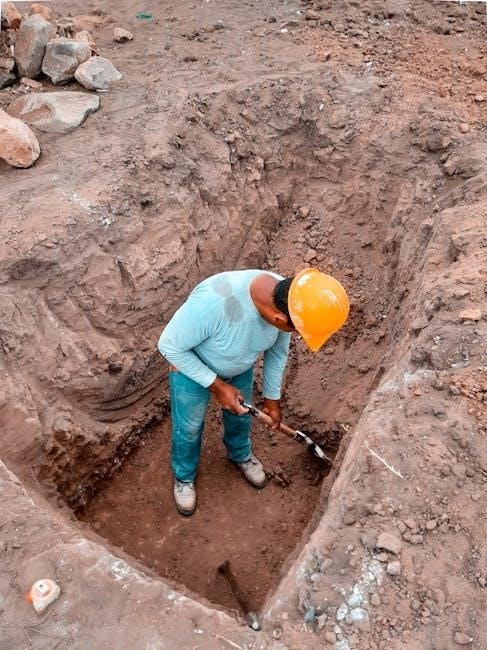
The Role of Occupational Health Professionals
Professionals utilize manuals like “Manual de Salud Ocupacional” to expertly assess risks, implement safety measures, and ensure worker health and rehabilitation.
Responsibilities and Expertise
Occupational health professionals leverage resources like the “Manual de Salud Ocupacional” to champion worker safety. Their expertise encompasses hazard identification, risk assessment, and implementing preventative strategies. They’re responsible for ensuring compliance with labor laws and safety standards, promoting health programs, and managing rehabilitation processes.
A deep understanding of these manuals is vital for effective practice.
Training and Certification
Comprehensive training is essential for occupational health professionals utilizing resources like the “Manual de Salud Ocupacional.” Certification programs validate expertise in hazard control, risk management, and legal compliance. Professionals must stay updated on evolving regulations and best practices. Continuous education, informed by manuals and research, ensures effective worker protection and a safe work environment.
Future Trends in Occupational Health
Advancements in safety technology and a growing focus on workplace mental health will reshape occupational health, building upon foundational knowledge from manuals.
Technological Advancements in Safety
Integrating technology into occupational health, as informed by resources like the “Manual de Salud Ocupacional,” is crucial. This includes utilizing wearable sensors for real-time monitoring of worker health and safety parameters. Data analytics can predict potential hazards, while virtual reality offers immersive safety training. Automation reduces exposure to dangerous tasks, and AI-powered systems enhance risk assessment, ultimately fostering safer work environments.
Focus on Mental Health in the Workplace
Acknowledging mental wellbeing, alongside physical safety – a growing trend informed by resources like the “Manual de Salud Ocupacional” – is vital. Employers must prioritize stress management programs, promote work-life balance, and offer access to mental health support services. Early intervention, destigmatization, and fostering a supportive culture are key to preventing burnout and improving overall employee health and productivity.