HMMWV PMCS TM PDF Army: A Comprehensive Article Plan (02/27/2026)
Today, February 27, 2026, First Army focuses on driver training, leveraging experienced NCOs with extensive mileage to impart crucial PMCS knowledge to officers․
The High Mobility Multipurpose Wheeled Vehicle (HMMWV), commonly known as the Humvee, represents a cornerstone of the United States Army’s tactical vehicle fleet․ Maintaining operational readiness of these vehicles is paramount, and Preventative Maintenance Checks and Services (PMCS) form the bedrock of that effort․ This article provides a comprehensive overview of HMMWV PMCS, focusing on the vital role of Technical Manuals (TMs), particularly in PDF format, for effective maintenance procedures․
Recent First Army driver training, conducted as of March 2024, highlights the importance of experienced personnel transferring knowledge to officers․ This underscores a commitment to diligent PMCS practices․ Understanding and consistently applying these procedures, guided by readily accessible TM PDFs, directly impacts mission success and soldier safety․ This plan details everything from daily checks to scheduled maintenance, ensuring peak HMMWV performance․
II․ What is PMCS? (Preventative Maintenance Checks and Services)
Preventative Maintenance Checks and Services (PMCS) is a systematic approach to vehicle upkeep, designed to identify and rectify potential issues before they escalate into mission-compromising failures․ It’s not merely a checklist; it’s a proactive philosophy ingrained in every soldier operating Army vehicles, like the HMMWV․ PMCS encompasses daily, operational, and scheduled maintenance tasks, all meticulously outlined in official Technical Manuals (TMs)․
First Army’s emphasis on driver training, with seasoned NCOs sharing expertise gained from over 100,000 miles of operation, reinforces PMCS as a critical skill․ Effective PMCS extends vehicle lifespan, reduces repair costs, and, most importantly, enhances soldier safety and operational readiness․ Access to digital TM PDFs streamlines this process, providing readily available guidance․
III․ Importance of PMCS for HMMWVs
HMMWVs, vital for troop transport and logistical support, operate in diverse and often harsh environments, demanding rigorous maintenance․ Consistent PMCS is paramount to ensuring their reliability and extending operational lifespan․ Neglecting PMCS can lead to catastrophic failures, jeopardizing missions and soldier safety․ First Army’s recent driver training, led by experienced NCOs, underscores this critical need․
These vehicles, having logged significant mileage, require diligent checks of fluids, tires, lights, and critical systems․ Proper PMCS, guided by Technical Manuals (TMs), minimizes downtime and maximizes combat effectiveness․ Access to readily available TM PDFs further empowers soldiers to perform thorough inspections and maintain peak HMMWV performance․
IV․ The Role of TM (Technical Manuals) in HMMWV Maintenance
Technical Manuals (TMs) are the cornerstone of effective HMMWV maintenance, providing detailed, step-by-step procedures for PMCS and more complex repairs․ They ensure standardized practices, minimizing errors and maximizing vehicle reliability․ First Army’s emphasis on driver training, informed by seasoned NCOs, highlights the importance of TM familiarity․
These manuals cover every aspect of HMMWV upkeep, from routine fluid checks to intricate engine diagnostics․ Accessible TM PDFs are invaluable, allowing soldiers to quickly reference procedures in the field․ Proper utilization of TMs, coupled with diligent PMCS, directly translates to increased operational readiness and reduced logistical burdens․
V․ Locating and Accessing HMMWV PMCS TM PDFs
HMMWV PMCS TM PDFs are primarily accessed through official Army channels, ensuring users have the most current and approved documentation․ The Army Publishing Directorate (APD) website serves as a central repository, offering a searchable database of technical manuals․ Unit maintenance personnel often maintain local digital libraries for quick access during operations․
Given First Army’s focus on driver training – leveraging experienced NCOs – soldiers are instructed on navigating these systems․ Proper authentication is required to download and view these PDFs, safeguarding sensitive maintenance information․ Regularly checking for updates is crucial, as TMs are revised to reflect evolving procedures and component changes․
VI․ Key Components Covered in HMMWV PMCS
HMMWV PMCS meticulously examines several critical systems to guarantee operational readiness․ These include the engine, focusing on fluid levels and leak detection; the transmission and drivetrain, checking for proper engagement and unusual noises; and the suspension, verifying shock absorber functionality and component integrity․
Furthermore, the braking system receives thorough inspection, alongside steering components․ First Army’s driver training, guided by seasoned NCOs, emphasizes these checks․ PMCS also covers vital operational aspects like lights, signals, and communication equipment․ Detailed TM PDFs outline specific procedures for each component, ensuring consistent and effective maintenance practices across all units․
VI․A․ Engine PMCS Checks
Engine PMCS is foundational to HMMWV maintenance, demanding diligent attention to detail․ Checks encompass verifying oil levels using the dipstick, inspecting coolant levels in the radiator and overflow reservoir, and scrutinizing for any fluid leaks around the engine block and oil pan․
First Army’s training, informed by veteran NCOs, stresses the importance of visually inspecting belts and hoses for cracks or wear․ Technicians also assess the air filter for cleanliness and confirm proper operation of the cooling fan․ Detailed TM PDFs provide step-by-step guidance, ensuring consistent application of these critical checks, contributing to sustained operational capability․
VI․B․ Transmission and Drivetrain PMCS Checks
Transmission and drivetrain PMCS are vital for HMMWV mobility․ Inspections begin with checking transmission fluid levels, observing for leaks around the transmission housing, driveshaft, and axles․ Technicians meticulously examine the driveshaft U-joints for play and proper lubrication, alongside inspecting the axles for damage or oil seepage․
First Army’s driver training, guided by seasoned NCOs, emphasizes the importance of verifying proper engagement of all gears and the transfer case․ Detailed TM PDFs outline procedures for inspecting differential fluid levels and checking for unusual noises during operation․ Consistent adherence to these checks, as taught, ensures reliable drivetrain performance․
VI․C․ Suspension System PMCS Checks
HMMWV suspension PMCS focuses on maintaining ride quality and vehicle stability․ Inspections involve visually examining shock absorbers for leaks and proper mounting, alongside checking leaf spring condition for cracks or broken leaves․ Technicians carefully inspect all suspension bushings for wear and tear, ensuring secure attachment points․
First Army’s driver training, benefiting from experienced NCOs’ knowledge, stresses the importance of verifying proper operation of the suspension during articulation․ Detailed TM PDFs provide guidance on inspecting the torsion bars and related components․ Diligent adherence to these checks, as emphasized in training, contributes to safe and reliable vehicle operation․
VI․D․ Braking System PMCS Checks
Braking system PMCS is critical for HMMWV safety, demanding thorough inspections․ Technicians verify brake pedal travel and responsiveness, checking for excessive play or sponginess․ Visual checks encompass brake lines and hoses for leaks, cracks, or damage, alongside inspecting brake pads for wear․
First Army’s driver training, informed by seasoned NCOs, highlights the importance of proper brake function․ Detailed TM PDFs outline procedures for checking brake fluid levels and bleed the system if necessary․ Consistent PMCS, as emphasized in training, ensures reliable stopping power, contributing to mission success and operator safety․
VII․ Detailed PMCS Procedures ⏤ Daily Checks
Daily PMCS for HMMWVs, a cornerstone of readiness, begins with a comprehensive walk-around inspection․ This includes verifying fluid levels – oil, coolant, brake, and power steering – ensuring they fall within acceptable ranges․ Tire inspection focuses on pressure, tread depth, and overall condition, vital for mobility․
First Army driver training, leveraging experienced NCOs, stresses meticulousness․ Checks extend to lights and signals, windshield wipers, and washer fluid․ Detailed TM PDFs provide step-by-step guidance․ Consistent daily checks, as emphasized in training, proactively identify potential issues, preventing breakdowns and maintaining operational capability․
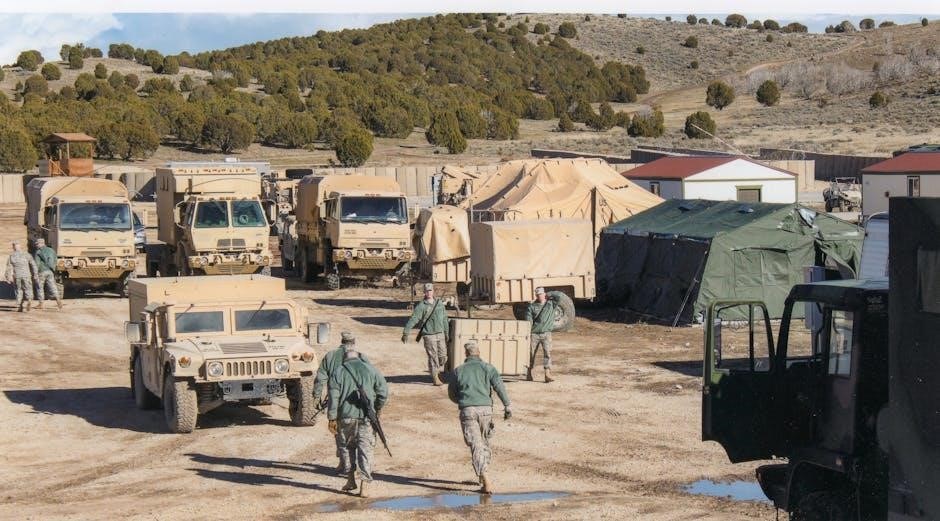
VII․A․ Fluid Level Checks (Oil, Coolant, Brake Fluid, Power Steering Fluid)
Fluid level checks are paramount during daily HMMWV PMCS․ Engine oil requires verifying levels with the dipstick, ensuring it’s within the ‘full’ range․ Coolant levels, checked in the overflow reservoir, must be adequate for engine temperature regulation․ Brake fluid, inspected at the master cylinder, indicates braking system integrity․
Power steering fluid levels, crucial for maneuverability, are also assessed․ First Army training emphasizes referencing TM PDFs for specific HMMWV variant requirements․ Consistent monitoring, as taught by seasoned NCOs, prevents component failure and maintains operational readiness, directly impacting mission success․
VII․B․ Tire Inspection and Pressure Checks
Tire inspection is a critical daily PMCS component for HMMWVs․ Thoroughly examine tires for cuts, bulges, and uneven wear, indicators of potential failure․ Accurate pressure checks, using a calibrated gauge, are essential – referencing the HMMWV’s tire placard for correct PSI․
First Army driver training, guided by experienced NCOs logging significant mileage, stresses the importance of proper inflation for optimal handling and fuel efficiency․ Utilizing TM PDFs ensures adherence to specific variant requirements․ Neglecting tire maintenance compromises safety and operational capability, potentially leading to mission delays or accidents․
VII․C․ Lights and Signals Functionality Check
Comprehensive lighting checks are a vital part of daily HMMWV PMCS․ Verify operation of headlights (high and low beam), taillights, brake lights, turn signals, and hazard lights․ Inspect for broken lenses or damaged wiring․ Proper illumination and signaling are crucial for convoy operations and nighttime maneuvers․
First Army driver training, benefiting from seasoned NCOs’ experience, emphasizes this safety aspect․ Referencing TM PDFs confirms specific lighting configurations for each HMMWV variant․ A malfunctioning light or signal significantly increases accident risk․ Diligent checks, as part of PMCS, contribute directly to mission success and personnel safety․
VII․D․ Windshield Wipers and Washer Fluid Check
Maintaining clear visibility is paramount, making windshield wiper and washer fluid checks essential during HMMWV PMCS․ Inspect wiper blades for wear and tear – cracks or tears compromise effectiveness․ Ensure the washer fluid reservoir is adequately filled with an appropriate solution for the prevailing weather conditions․
First Army driver training, guided by experienced personnel, stresses the importance of these often-overlooked components․ TM PDFs detail proper fluid levels and blade replacement procedures․ Operational readiness hinges on unobstructed vision, particularly during inclement weather or dusty environments․ Regular checks, as part of PMCS, enhance safety and mission capability․
VIII․ Detailed PMCS Procedures ⏤ Operational Checks (Before/After Missions)
Operational PMCS is critical for mission success and vehicle longevity․ Before and after deployments, a thorough inspection ensures the HMMWV is fit for task․ First Army driver training, leveraging seasoned NCOs, emphasizes these procedures․ Checks encompass steering responsiveness, instrument panel readings for anomalies, and full functionality of communication equipment․
If equipped, weapon system mounts require careful examination for secure locking and operational readiness․ TM PDFs provide detailed checklists for each system․ Post-mission checks identify potential damage requiring immediate attention․ Diligent adherence to these procedures, as highlighted in recent reports, directly impacts operational readiness and soldier safety․
VIII․A․ Steering System Check
A robust steering system is paramount for HMMWV control, especially during demanding operational scenarios․ Before and after missions, PMCS procedures require a comprehensive check․ This involves verifying free play within acceptable limits, as detailed in relevant TM PDFs․ Inspect steering linkage for damage, looseness, or missing components․
Power steering fluid levels must be confirmed, and the system checked for leaks․ First Army driver training, guided by experienced NCOs, stresses the importance of feeling for unusual resistance or binding during full steering arc tests․ Any anomalies necessitate immediate reporting and potential repair to maintain vehicle maneuverability and driver safety․
VIII․B․ Instrument Panel Monitoring
Consistent instrument panel monitoring is a critical PMCS component, providing vital insights into HMMWV operational health․ Before, during, and after missions, drivers must diligently observe gauges for any deviations from normal readings․ This includes engine temperature, oil pressure, voltage, and fuel levels – all detailed within accessible TM PDFs․
First Army driver training, informed by seasoned NCOs with extensive vehicle experience, emphasizes recognizing warning lights and understanding their implications․ Immediate attention should be given to any illuminated warning indicators, potentially signaling critical system failures․ Proactive monitoring allows for early detection of issues, preventing more significant problems and ensuring mission success․
VIII․C․ Communication Equipment Check
Reliable communication is paramount for HMMWV operational effectiveness, necessitating thorough PMCS checks of all communication equipment․ This includes radios, intercom systems, and any associated wiring or antennas․ Drivers, guided by TM PDFs, must verify proper functionality before, during, and after missions․
First Army driver training, benefiting from the expertise of veteran NCOs, stresses the importance of clear and consistent communication․ Checks should confirm transmit and receive capabilities, ensuring connectivity with command and other units․ Any malfunctions must be reported immediately, as compromised communication can severely impact mission coordination and safety․ Regular checks prevent critical failures․

VIII․D․ Weapon System Mount Check (If Applicable)
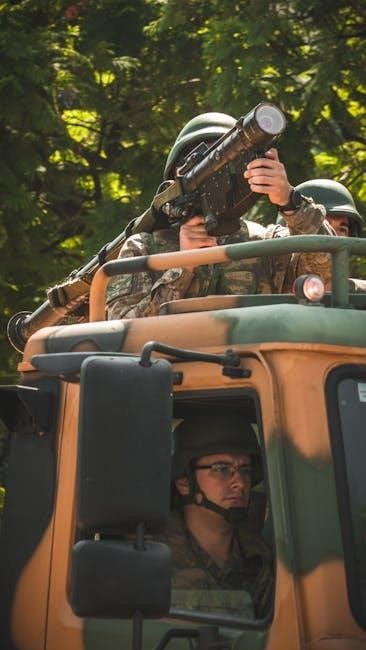
For HMMWVs equipped with weapon systems, a meticulous mount check is a critical PMCS component․ This involves verifying secure attachment, proper locking mechanisms, and full range of motion – all detailed within relevant TM PDFs․ First Army’s emphasis on driver training, informed by seasoned NCOs, highlights this safety-critical procedure․
Checks must confirm the weapon system doesn’t interfere with vehicle operation or crew safety․ Functionality of elevation, traverse, and firing mechanisms should be tested (when safe and authorized)․ Any looseness, damage, or malfunction requires immediate reporting and correction․ A properly maintained weapon mount ensures operational readiness and minimizes risk during engagements․
IX․ HMMWV PMCS Schedule ⸺ Intervals and Frequency
HMMWV PMCS follows a tiered schedule dictated by operational tempo and Army regulations, comprehensively outlined in TM PDFs․ Daily checks, as emphasized during First Army driver training led by experienced NCOs, cover essential fluids, tires, and lights․ Operational checks – before and after missions – are more in-depth․
Scheduled services occur at 500, 1000, 2000, and 5000-mile intervals, progressively increasing in complexity․ These services address components like the engine, transmission, and suspension․ Adherence to this schedule, documented meticulously, is paramount for maintaining HMMWV readiness and preventing costly breakdowns․ Consistent PMCS directly impacts mission success․
X․ Common HMMWV Maintenance Issues Identified During PMCS
PMCS frequently reveals recurring issues within HMMWV fleets․ Fluid leaks – oil, coolant, and brake fluid – are commonly detected during daily checks, often indicating seal failures․ Tire wear and improper inflation are also prevalent, impacting handling and fuel efficiency․ First Army driver training, guided by seasoned NCOs, stresses early detection․
Operational checks often uncover problems with lights, signals, and steering components․ Worn suspension parts and brake pad deterioration are identified during scheduled services․ Thorough documentation of these findings, referencing TM PDFs, is crucial for effective repair and preventative action, ensuring operational readiness․
XI․ Troubleshooting Common PMCS Findings
Addressing PMCS discoveries requires systematic troubleshooting․ Fluid leaks necessitate pinpointing the source – seals, hoses, or fittings – utilizing TM PDFs for detailed diagrams․ Tire issues demand inspection for damage and correct inflation, adhering to specified pressures․ First Army’s emphasis on experienced NCO instruction proves invaluable․
Faulty lights or signals require checking bulbs, wiring, and connections․ Steering problems warrant examination of linkages and power steering fluid levels․ Suspension and brake concerns demand professional assessment․ Accurate record-keeping, linked to TM procedures, facilitates efficient repairs and minimizes downtime, bolstering HMMWV operational capability․
XII․ Utilizing Digital TM PDFs for Efficient PMCS
Digital Technical Manual (TM) PDFs revolutionize HMMWV maintenance․ Instant access to detailed diagrams, procedures, and troubleshooting guides streamlines PMCS․ First Army’s driver training increasingly integrates digital TM utilization, enhancing officer and NCO proficiency․ These PDFs facilitate quicker identification of issues and accurate repair execution․
Compared to bulky paper manuals, digital versions offer searchability and portability․ Technicians can readily access information in field conditions, improving efficiency․ Proper organization and bookmarking of key sections within the PDFs are crucial․ This digital shift supports proactive maintenance, minimizing downtime and maximizing HMMWV operational readiness, aligning with Army standards․
XIII․ Army Regulations and Standards Regarding HMMWV PMCS
Strict Army regulations govern HMMWV Preventative Maintenance Checks and Services (PMCS)․ Adherence to these standards, reinforced during First Army driver training, is paramount for operational readiness․ Regulations dictate PMCS intervals, required documentation, and qualified personnel․ Detailed procedures are outlined in applicable Technical Manuals (TMs), accessible as PDFs for convenient reference․

Compliance ensures vehicle safety, longevity, and mission capability․ Regular audits verify PMCS execution and documentation accuracy․ Failure to meet standards can result in corrective actions and impact unit readiness․ These regulations are continuously updated to reflect evolving operational needs and technological advancements within the HMMWV fleet․
XIV․ First Army Driver Training and PMCS Emphasis (Based on 03/2024 Report)
First Army’s driver training, as reported in March 2024, heavily emphasizes HMMWV PMCS procedures․ Experienced senior NCOs, boasting over 100,000 miles of operational driving, directly instruct officers․ This hands-on approach ensures a deep understanding of practical maintenance requirements․
The training focuses on utilizing Technical Manuals (TMs), including PDF versions, for accurate PMCS execution․ Emphasis is placed on identifying potential issues during checks and proper documentation․ This proactive maintenance philosophy, instilled by First Army, directly contributes to increased vehicle reliability and sustained operational readiness across deploying units․
XV․ Safety Precautions During HMMWV PMCS
Performing HMMWV PMCS requires strict adherence to safety protocols․ Always ensure the vehicle is parked on a level surface with the parking brake engaged before commencing any checks․ Wear appropriate Personal Protective Equipment (PPE), including gloves and eye protection, when handling fluids or working under the vehicle․
Be mindful of hot surfaces, such as the engine and exhaust system, after operation․ Never work under a vehicle supported only by a jack; always use jack stands․ Properly dispose of used fluids according to environmental regulations․ Following these precautions, reinforced during First Army training, minimizes risk and ensures a safe maintenance environment․
XVI․ Tools and Equipment Required for HMMWV PMCS
Effective HMMWV PMCS necessitates a specific toolkit․ Essential items include a comprehensive set of wrenches, sockets, and screwdrivers, alongside a tire pressure gauge and fluid level dipsticks․ Diagnostic tools, such as a multimeter, are crucial for electrical system checks․ Jack stands are paramount for safe under-vehicle access, complementing the vehicle’s jack․
First Army driver training emphasizes proper tool usage and maintenance․ Additional requirements may include a flashlight, shop towels, and containers for used fluids․ Maintaining a well-stocked and organized toolkit streamlines the PMCS process, contributing to efficient vehicle upkeep and operational readiness․
XVII․ Record Keeping and Documentation of PMCS
Meticulous record-keeping is vital for effective HMMWV maintenance․ PMCS documentation, including dates, mileage, and identified issues, must be accurately logged in the vehicle’s maintenance logbook․ This detailed history informs future maintenance schedules and facilitates trend analysis for potential problems․
First Army driver training stresses the importance of complete and legible documentation․ Digital systems are increasingly utilized for streamlined record management, enhancing accessibility and data integrity․ Proper documentation supports accountability, ensures compliance with Army regulations, and contributes to maximizing vehicle lifespan and operational effectiveness․
XVIII․ The Impact of PMCS on HMMWV Operational Readiness
Consistent and thorough PMCS directly correlates to enhanced HMMWV operational readiness․ By proactively identifying and addressing minor issues, PMCS prevents them from escalating into major failures that could sideline vehicles during critical missions․ First Army’s emphasis on driver training, guided by seasoned NCOs, underscores this connection․
A well-maintained fleet, resulting from diligent PMCS practices, ensures units can consistently meet mission requirements․ Reduced downtime translates to increased availability and improved responsiveness․ Ultimately, effective PMCS safeguards personnel, extends vehicle lifespan, and optimizes the overall combat effectiveness of the force․

XIX․ Differences in PMCS Procedures Based on HMMWV Variants
HMMWV variants necessitate tailored PMCS procedures due to differing configurations and capabilities․ While core checks remain consistent, specific systems require unique attention․ For example, models equipped with weapon mounts demand additional inspections of those systems, beyond standard drivetrain or engine checks․
First Army driver training acknowledges these nuances, preparing operators for variant-specific maintenance․ Technical Manuals (TMs) are crucial resources, detailing these distinctions․ Ignoring these differences can lead to overlooked issues, impacting operational readiness and potentially causing failures․ Proper variant-specific PMCS ensures optimal performance and safety across the HMMWV fleet․
XX․ Advanced Diagnostic Tools for HMMWV Maintenance
Modern HMMWV maintenance increasingly relies on advanced diagnostic tools, supplementing traditional PMCS procedures․ These tools allow technicians to pinpoint issues beyond the scope of visual inspections and fluid checks, enhancing accuracy and reducing downtime․ Utilizing these technologies requires specialized training, often emphasized during First Army driver and maintenance courses․
Access to updated Technical Manuals (TMs) detailing tool operation and interpretation of diagnostic data is critical․ These tools can identify subtle engine problems, transmission inefficiencies, or electrical faults before they escalate․ Integrating these advanced diagnostics with diligent PMCS practices maximizes HMMWV operational readiness and extends vehicle lifespan․
XXI․ Future Trends in HMMWV Maintenance and PMCS
The future of HMMWV maintenance will likely see increased integration of predictive maintenance strategies; Leveraging data analytics from onboard sensors and PMCS records, technicians can anticipate failures before they occur, minimizing disruptions․ First Army’s emphasis on thorough driver training, including PMCS, will be crucial for data accuracy․
Digital Technical Manuals (TMs), accessible via mobile devices, will become standard, offering real-time updates and interactive troubleshooting guides․ Augmented reality applications could assist mechanics during complex repairs․ These advancements, coupled with continued diligent PMCS, aim to enhance HMMWV reliability and operational effectiveness, even as newer platforms emerge․
XXII․ Resources for HMMWV PMCS Information (Army Websites, Forums)
Accessing reliable HMMWV PMCS information is vital for maintaining operational readiness․ Official Army websites, such as the Army Publishing Directorate, host current Technical Manuals (TMs) in PDF format․ These resources provide detailed PMCS procedures and troubleshooting guides․ First Army’s training programs also serve as a valuable knowledge base, benefiting from experienced NCOs․
Online military forums, while requiring critical evaluation of information, can offer practical insights from mechanics and drivers․ However, always cross-reference forum advice with official TM documentation․ Staying updated with the latest Army regulations and standards ensures compliance and effective HMMWV maintenance practices․
XXIII․ Common Errors to Avoid During HMMWV PMCS
Diligent PMCS requires avoiding frequent errors that compromise vehicle reliability․ Neglecting fluid level checks, especially oil and coolant, is a primary oversight․ Insufficient tire pressure inspection leads to uneven wear and potential accidents․ Dismissing warning signs during instrument panel monitoring can escalate minor issues into major repairs․
Furthermore, skipping pre- and post-mission checks, particularly of steering and communication systems, impacts operational effectiveness․ Relying solely on memory instead of referencing TM PDFs introduces inaccuracies․ Proper training, like that emphasized by First Army, minimizes these errors and ensures thorough, consistent PMCS execution․
XXIV․ Conclusion: Maintaining HMMWV Readiness Through Diligent PMCS
Consistent and thorough Preventative Maintenance Checks and Services (PMCS) are paramount for sustaining HMMWV operational readiness․ First Army’s emphasis on driver training, utilizing seasoned NCOs, underscores the importance of proper technique and adherence to Technical Manuals (TMs)․
By proactively identifying and addressing maintenance needs, potential failures are minimized, extending vehicle lifespan and ensuring mission success․ Diligent PMCS isn’t merely a checklist; it’s a commitment to safety, reliability, and the overall effectiveness of the fleet․ Investing in comprehensive PMCS directly translates to a more capable and dependable fighting force․