Ignoring directives is a widespread issue, manifesting in diverse contexts from daily life to legal settings, impacting individuals and society profoundly.
The Scope of the Issue
The prevalence of disregarding instructions extends far beyond simple childhood disobedience; it permeates nearly every facet of human interaction and organizational structure. From failing to adhere to safety protocols in professional environments, leading to accidents and inefficiencies, to neglecting medical advice with detrimental health consequences, the ramifications are substantial.
Consider the legal sphere, where non-compliance with laws and regulations results in a constant stream of cases, burdening the judicial system. Even seemingly minor infractions, like traffic violations, stem from a failure to follow established rules. Furthermore, interpersonal relationships frequently suffer due to unmet expectations and disregarded requests.
Research highlights a distinction between aggressive rule-breaking and non-aggressive forms, suggesting varied underlying causes and associated psychopathology. The issue isn’t simply about malicious intent, but also encompasses spontaneous or deliberative actions driven by individual cognitive characteristics and perceived benefits. This broad scope demands a nuanced understanding of the factors at play.
Why Understanding is Crucial
A comprehensive grasp of why individuals fail to follow instructions is paramount for developing effective intervention strategies and fostering a more compliant society. Ignoring this issue perpetuates cycles of negative consequences, ranging from minor inconveniences to severe legal repercussions and damaged relationships.
Distinguishing between deliberate and spontaneous rule-breaking, as research suggests, is vital. Understanding the cognitive characteristics driving these behaviors – impulsivity, information processing deficits, or motivational factors – allows for targeted approaches.
Furthermore, recognizing the influence of developmental factors, such as parenting styles and peer influence, enables preventative measures. Addressing the underlying psychological mechanisms, and acknowledging the potential links to antisocial behavior and psychopathology, is essential for creating effective solutions. Ultimately, improved comprehension leads to better communication, clearer expectations, and reduced instances of non-compliance.

Psychological Factors Contributing to Non-Compliance
Internal processes, including cognitive deficits, personality traits like impulsivity, and motivational issues such as lack of engagement, significantly contribute to disregarding instructions.
Cognitive Deficits and Information Processing
Difficulties in processing information can substantially hinder an individual’s ability to comprehend and subsequently follow instructions. These deficits aren’t necessarily indicative of low intelligence, but rather relate to specific cognitive functions. Challenges with attention, working memory, and executive functions – encompassing planning, organization, and impulse control – all play a crucial role. Individuals may struggle to retain multi-step instructions, misinterpret nuanced language, or fail to prioritize tasks correctly.
Furthermore, variations in information processing speed can contribute to non-compliance. Someone processing information slower might miss critical details, leading to errors in execution. The interplay between cognitive abilities and the complexity of the instructions is also vital; a simple directive is easier to process than a lengthy, convoluted one. Understanding these cognitive underpinnings is essential for tailoring communication and support strategies to improve instruction following.
Personality Traits: Impulsivity and Disinhibition
Certain personality traits significantly correlate with a propensity to disregard instructions. Impulsivity, characterized by acting without forethought, often leads to immediate gratification seeking, overriding adherence to rules. Disinhibition, a reduced ability to suppress inappropriate behaviors or thoughts, further exacerbates this tendency. Individuals high in these traits may struggle to resist tempting but forbidden actions, even when aware of potential consequences.
This isn’t simply about defiance; it’s a neurological predisposition impacting self-control. Research suggests links between these traits and variations in brain regions governing impulse control. The tendency to engage in spontaneous, deliberative rule-breaking, as opposed to following norms, highlights this internal conflict. Understanding these personality factors is crucial for developing targeted interventions and fostering more responsible behavior.
Motivational Factors: Lack of Engagement & Perceived Relevance
A key driver of non-compliance stems from a lack of engagement with, or perceived relevance of, the instructions themselves. When individuals fail to see the purpose or benefit of following a directive, motivation plummets. This is particularly true if the instruction feels arbitrary or disconnected from their goals. If an action doesn’t offer personal benefit, the temptation to deviate increases, especially for those prone to rule-breaking when advantageous.
Furthermore, a sense of detachment or disinterest can foster disregard. Individuals may simply not invest the cognitive effort required to fully understand and implement instructions. Addressing this requires framing directives in a way that highlights their value and connects them to the individual’s broader motivations and needs, fostering a sense of ownership and buy-in.

The Role of Rule-Breaking in Antisocial Behavior
Rule violations, ranging from minor infractions to aggressive acts, are core components of antisocial behavior, differing in origins and links to psychopathology;
Aggression vs. Non-Aggressive Rule-Breaking
Distinguishing between aggressive and non-aggressive rule-breaking is crucial for understanding antisocial behavior’s complexities. Research indicates these forms possess distinct etiological mechanisms and associations with personality traits and psychopathology. Aggressive rule-breaking directly harms others, involving physical or verbal hostility, while non-aggressive violations, like deceit or theft without direct confrontation, prioritize personal gain.
Individuals may break rules for varied reasons; some succumb to tempting, forbidden actions when personally beneficial, demonstrating interindividual differences often overlooked. This highlights that rule-breaking isn’t always malicious, but can stem from cognitive characteristics influencing spontaneous or deliberative choices. Understanding these nuances is vital for targeted interventions and a more comprehensive view of antisocial tendencies, moving beyond simplistic categorizations.
Etiological Mechanisms & Psychopathology Links
Exploring the roots of rule-breaking reveals a complex interplay of factors. Etiological mechanisms encompass genetic predispositions, neurological differences, and adverse childhood experiences. These contribute to deficits in impulse control, moral reasoning, and empathy – all linked to psychopathology. Specifically, antisocial personality disorder, conduct disorder, and psychopathy frequently manifest with pervasive rule-breaking behaviors.
The connection isn’t unidirectional; rule-breaking can also result from underlying mental health conditions like ADHD or mood disorders. Furthermore, personality traits like impulsivity and disinhibition significantly increase vulnerability. Identifying these underlying mechanisms is paramount for effective intervention, shifting focus from simply punishing the behavior to addressing the core psychological vulnerabilities driving it, ultimately improving outcomes.
Deliberative vs. Spontaneous Rule-Breaking
Distinguishing between planned and impulsive violations is crucial for understanding motivations. Deliberative rule-breaking involves conscious evaluation of risks and rewards, often driven by self-interest or perceived benefit, even if it means facing consequences. Conversely, spontaneous rule-breaking is characterized by impulsivity, occurring with little forethought or consideration of repercussions.
Research suggests differing cognitive profiles underpin these behaviors. Individuals prone to spontaneous violations may exhibit deficits in executive function and impulse control, while those engaging in deliberate breaches demonstrate enhanced cognitive flexibility and a willingness to manipulate situations. Understanding this dichotomy informs targeted interventions, addressing impulsivity in some cases and challenging rationalizations in others, leading to more effective behavioral change.

Developmental Aspects of Ignoring Instructions
Early experiences, including parenting styles and peer influences, significantly shape a child’s propensity to follow or disregard rules, impacting future behavior.
Parenting Styles and Early Childhood Experiences
The foundation for instruction-following is often laid in early childhood, heavily influenced by parenting approaches. Authoritative parenting, characterized by clear expectations and warmth, generally fosters compliance. Conversely, permissive or neglectful styles may correlate with increased rule-breaking tendencies. Children exposed to inconsistent discipline or lacking clear boundaries might struggle to internalize the importance of adhering to directives.
Exposure to rule-breaking behavior within the family environment also plays a crucial role. If children witness parents or caregivers disregarding rules, they are more likely to adopt similar patterns. Early childhood experiences, including the quality of attachment and the presence of trauma, can further impact a child’s ability to regulate impulses and respond appropriately to instructions. A secure attachment provides a base for trust and cooperation, while adverse experiences may hinder the development of these skills, leading to difficulties with compliance later in life.
Peer Influence and Social Learning
As children develop, the influence of peers becomes increasingly significant in shaping behavior, including adherence to instructions. Social learning theory posits that individuals learn by observing and imitating others. If a child’s peer group exhibits a disregard for rules, the child may be more inclined to engage in similar behavior to gain acceptance or avoid social exclusion.
This is particularly true during adolescence, when the desire for peer approval is strong. Exposure to rule-breaking among peers can normalize such actions, reducing perceived risks and increasing the likelihood of non-compliance. Furthermore, the desire to appear “cool” or rebellious can motivate individuals to intentionally disregard instructions as a form of social signaling. The dynamics within peer groups, including leadership structures and group norms, can significantly impact individual choices regarding rule-following.

Exposure to Rule-Breaking Behavior
Direct observation of rule-breaking, whether within the family, community, or through media, can significantly contribute to a diminished respect for authority and instructions. Children who witness frequent violations of rules, without consistent consequences, may internalize the belief that such behavior is acceptable or even normative.
This exposure can desensitize individuals to the importance of following guidelines and erode their understanding of the rationale behind them. Furthermore, witnessing successful rule-breaking – where individuals benefit from disregarding instructions – can reinforce the idea that non-compliance is a viable strategy. The context of the observed behavior is also crucial; if rule-breaking is portrayed positively or justified, its impact is likely to be greater. Repeated exposure creates a learned pattern, increasing the probability of similar actions.

Consequences of Failing to Follow Instructions
Non-compliance yields legal penalties, damages social bonds, and incurs personal costs like lost trust and opportunities, impacting life’s trajectory significantly.
Legal Ramifications
Disregarding instructions can trigger a cascade of legal repercussions, ranging from minor citations to severe criminal charges. The severity often correlates directly with the nature of the disregarded directive and the resulting harm. For instance, failing to heed traffic laws – instructions designed for public safety – can lead to fines, license suspension, or even imprisonment following accidents.
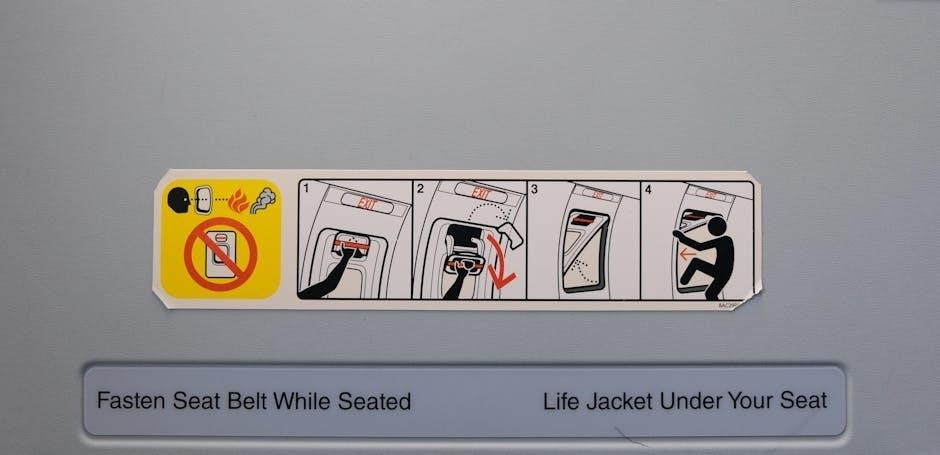
Similarly, ignoring court orders, such as restraining orders or subpoenae, constitutes contempt of court, carrying potential jail time and substantial financial penalties. In professional settings, non-compliance with safety regulations can result in hefty fines for organizations and individual liability for employees. Furthermore, breaches of contract stemming from unmet obligations – essentially, failing to follow the instructions outlined within the agreement – can lead to civil lawsuits and financial damages. The legal system fundamentally relies on adherence to established rules and directives, making intentional or negligent non-compliance a serious offense.
Social and Interpersonal Impacts
Consistent disregard for instructions erodes trust and damages relationships, creating friction in both personal and professional spheres. Repeatedly failing to follow through on commitments, even seemingly minor ones, signals disrespect and unreliability to others. This can lead to social isolation, strained family dynamics, and difficulties forming new connections.
In workplaces, non-compliance can disrupt teamwork, hinder productivity, and foster a negative environment. Colleagues may become hesitant to collaborate with individuals perceived as untrustworthy or difficult to manage. Furthermore, a pattern of ignoring requests or established protocols can damage one’s reputation, limiting opportunities for advancement and creating lasting negative impressions. Ultimately, failing to respect the expectations of others undermines social cohesion and hinders effective interpersonal functioning.
Personal Costs: Missed Opportunities & Reduced Trust
A consistent pattern of disregarding instructions frequently results in missed opportunities, both professionally and personally. Failing to adhere to application guidelines, project requirements, or even simple requests can disqualify individuals from desired positions, promotions, or experiences. This self-sabotage stems from a lack of diligence and respect for established processes.
Beyond external limitations, non-compliance erodes self-trust. Repeatedly failing to follow through on commitments, even to oneself, diminishes confidence and fosters a sense of inadequacy. This internal erosion extends to relationships, as others begin to question reliability and trustworthiness. Consequently, individuals who consistently ignore instructions may find themselves increasingly isolated and facing diminished prospects for future success and fulfillment.

Contextual Factors Influencing Compliance
Situational elements—instruction clarity, environmental distractions, and perceived authority—significantly shape adherence; ambiguous directives or chaotic settings often lead to non-compliance.
Clarity and Specificity of Instructions
Ambiguous or poorly defined instructions represent a primary contributor to non-compliance. When directives lack precision, individuals may interpret them differently, leading to unintentional errors or outright disregard. The human cognitive system thrives on clear expectations; vagueness introduces uncertainty and increases the likelihood of misinterpretation. A lack of specificity forces individuals to fill in the gaps, potentially with assumptions that deviate from the intended outcome.
Furthermore, complex instructions delivered without sufficient breakdown or supporting examples can overwhelm the recipient, hindering comprehension. Effective communication necessitates tailoring the message to the audience’s understanding and providing adequate context. Simply stating what needs to be done is often insufficient; explaining why it’s important and how it contributes to a larger goal can significantly enhance motivation and adherence. Ultimately, the onus lies on the communicator to ensure the message is readily accessible and easily understood.
Environmental Cues and Distractions
External factors significantly influence an individual’s ability to process and adhere to instructions. A noisy, chaotic environment, replete with competing stimuli, can severely impair concentration and working memory – crucial components for successful task completion. Distractions, whether auditory, visual, or even social, divert attentional resources away from the directive, increasing the probability of errors or omissions.
Conversely, a structured and organized environment, free from unnecessary interruptions, fosters focus and promotes compliance. Subtle cues within the surroundings can also reinforce instructions; visual reminders, clear signage, or designated workspaces all contribute to a more conducive atmosphere. The presence of conflicting cues, however, can create confusion and undermine the intended message. Minimizing environmental interference is, therefore, paramount in maximizing instruction-following behavior.

Perceived Authority and Legitimacy
Compliance with instructions is heavily influenced by how individuals perceive the authority of the person giving them and the legitimacy of the rules themselves. If a figure of authority is viewed as untrustworthy, incompetent, or lacking genuine power, instructions are more likely to be disregarded or met with resistance. Similarly, rules perceived as unfair, arbitrary, or lacking a rational basis are less likely to be followed.
Individuals assess legitimacy based on factors like consistency, transparency, and alignment with personal values. A clear explanation of the rationale behind instructions, coupled with demonstrable expertise and ethical conduct from the authority figure, enhances perceived legitimacy and fosters cooperation. Conversely, perceived hypocrisy or abuse of power can erode trust and incite defiance, leading to intentional non-compliance.

Mitigation Strategies: Improving Instruction Following
Effective strategies involve enhancing communication, providing clear expectations alongside consequences, and utilizing cognitive behavioral therapy to address underlying issues.
Enhancing Communication Techniques
Clear and concise messaging is paramount when aiming to improve instruction following. Ambiguity breeds misinterpretation, leading to unintentional non-compliance. Utilizing simple language, avoiding jargon, and breaking down complex tasks into smaller, manageable steps significantly increases comprehension. Active listening, where the communicator confirms understanding by soliciting feedback, is crucial.
Furthermore, employing visual aids – diagrams, flowcharts, or demonstrations – can cater to diverse learning styles. Repeating key instructions and providing written documentation reinforces the message. Considering the recipient’s perspective and tailoring the communication style to their cognitive abilities and background is also essential. A non-judgmental and respectful tone fosters a more receptive environment, encouraging individuals to ask clarifying questions without fear of reprimand. Ultimately, effective communication isn’t just about what is said, but how it’s conveyed.
Providing Clear Expectations and Consequences
Establishing well-defined expectations is fundamental to fostering compliance. Individuals need to understand precisely what is required of them, leaving no room for guesswork. These expectations should be communicated proactively and consistently, ensuring everyone is on the same page. Equally important is outlining the consequences – both positive and negative – associated with adhering to or violating those expectations.
Consequences should be logical, fair, and proportionate to the infraction. Positive reinforcement for following instructions can be highly effective, encouraging continued compliance. Conversely, negative consequences should be consistently applied to deter future non-compliance. Transparency regarding the rationale behind both expectations and consequences builds trust and promotes a sense of accountability. A predictable system minimizes confusion and reduces the likelihood of deliberate rule-breaking stemming from a lack of understanding.
Cognitive Behavioral Therapy (CBT) Interventions
Cognitive Behavioral Therapy (CBT) offers powerful tools for addressing difficulties in following instructions. CBT focuses on identifying and modifying maladaptive thought patterns and behaviors contributing to non-compliance. Techniques like cognitive restructuring help individuals challenge negative or irrational beliefs that might lead them to disregard directives. Behavioral interventions, such as reinforcement schedules and modeling, can promote desired behaviors.
Specifically, CBT can target impulsivity, a key factor in spontaneous rule-breaking, by teaching self-control strategies. It also addresses deficits in information processing by improving attention and comprehension skills. Therapists work collaboratively with clients to develop problem-solving skills and coping mechanisms for situations where following instructions feels challenging. By fostering self-awareness and equipping individuals with practical tools, CBT empowers them to make more conscious and compliant choices.